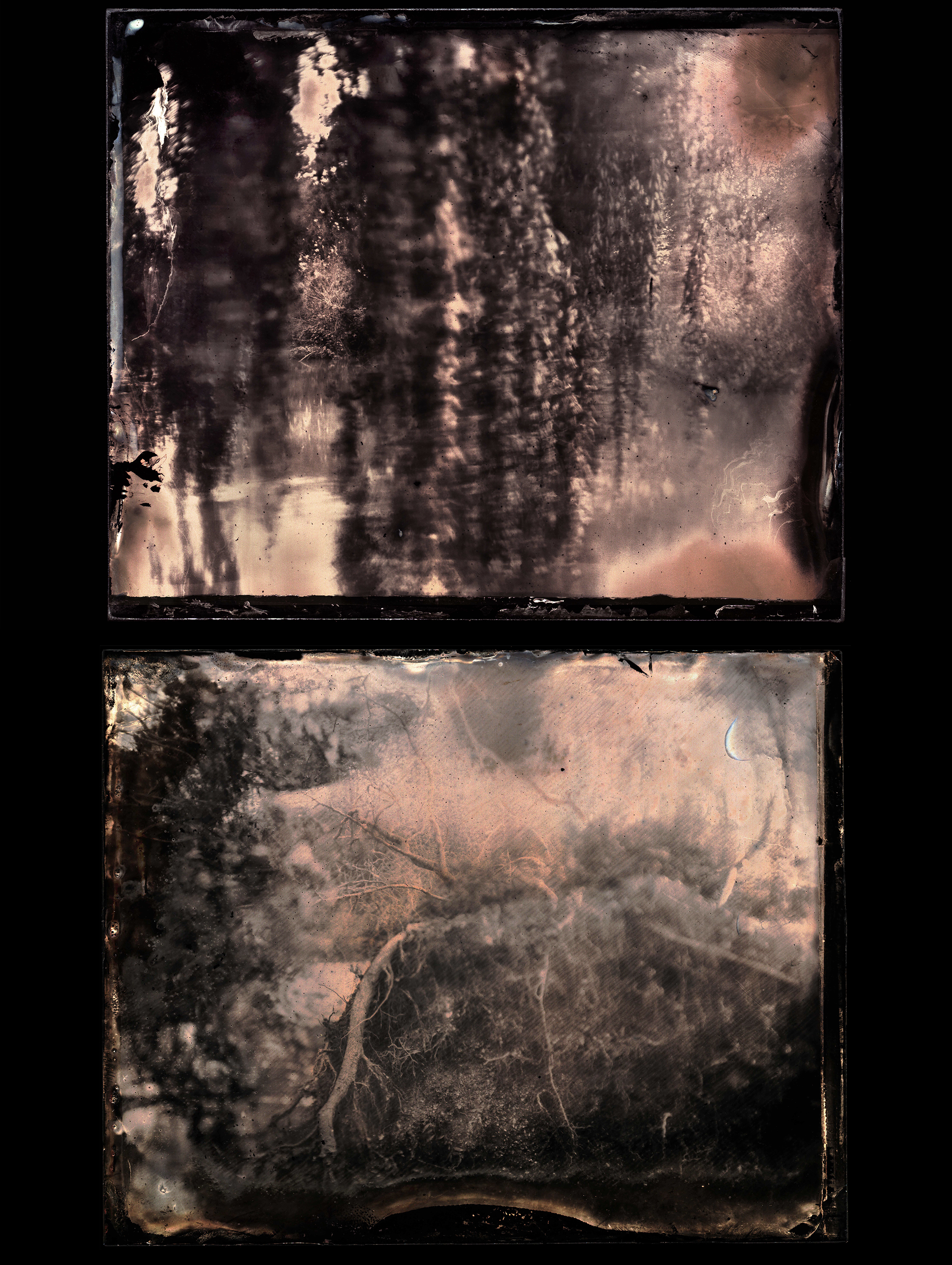
‘Source’ Largescale Diptych (2021-23) from the expanded environmental photography series ‘material history’ 2020-25. C-Type prints of Wet Plate Collodion Ambrotypes (plate glass positives). © Wendy I Hardie
The following images are selected works from Wendy Hardie’s expanded environmental photography series ‘material history : reverberating landscape’ 2020-26 ongoing. The series explores our relationship to the natural world & our increasingly fraught & complex relationship with plastic. The world’s earliest plastic production (Parkesine) took place in East London by the navigational water of the River Lea in Hackney Wick, just a few decades after wet plate collodion photography was invented in the 1840s. Glass wet plate collodion with its fragility, viscous liquidity & ability to express material & narrative abstraction has been chosen as the central method of capture for this series. Significantly collodion was also used in frontline field hospitals to temporarily close soldiers wounds. The collodion landscapes were created on a specific green arterial tunnel on the west bank of the river, pivoting around 3 elegiac weeping willow trees, using a tiny, pop up darkroom, working with technical wet plate support from photographer Guy Paterson. Those printed images derived from the negative glass plates or through cameraless techniques ( chemigrams & photograms) are silver gelatin prints created in the darkroom by the artist. Those derived from glass plate positives/ambrotypes are scanned, enlarged & printed digitally as either pigment or c-type prints. The series also comprises images captured from the site through waste pinhole cameras using paper negatives.
Plastic has brought enormous innovative benefits & aesthetic & physical pleasures to C20th & C21st societies but is now in a critically destructive role for our planet & humanity, through the blind, relentless journey of extreme consumerism that has created an unchecked tsunami of single use plastic, with consequences forced most inequitably upon the southern hemisphere in particular but being felt everywhere. The series, through immersive, abstract, conceptual photography, explores our relationships to trees, their sophisticated, elemental environment of earth, mycorrhizal systems & the waterways they feed from & survive with & the critical crossroads & tipping point of our relationship with plastic.
Working directly on site with temporary waste plastic sculptural forms, with the immediacy & urgent, extremely fragile demands of wet plate collodion, (the glass plates need to be sensitized, exposed & developed within 15 mins), combined with the reactive performative nature of these volatile, ghostly, plastic entities, the artist sought to express climate change weather’s destructive forces. Seeking to explore layers of cultural & environmental meaning & psychological states that run deep within this subject, the artist looked to find photographic expression that captures our human & environmental vulnerability, plastic’s seduction & allure, & to lay bare a visceral & urgent need for the opening up of consciousness around the precarious fragility we now face. It is also an expression of hope, a recognition of our mercurial capacity to change, to transition, to innovate & reinvent & our need for a profound connection & immersion within the landscape.
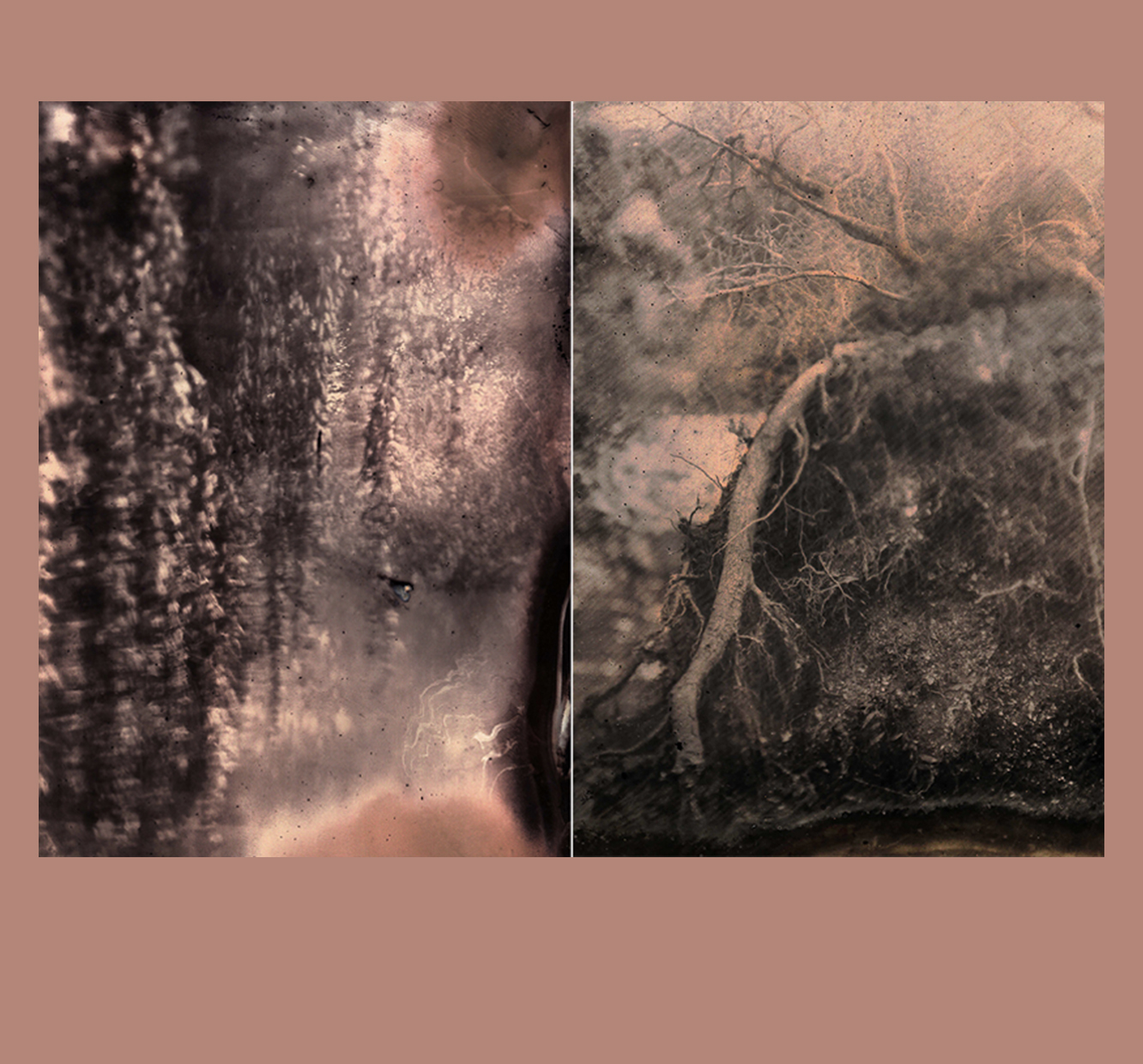
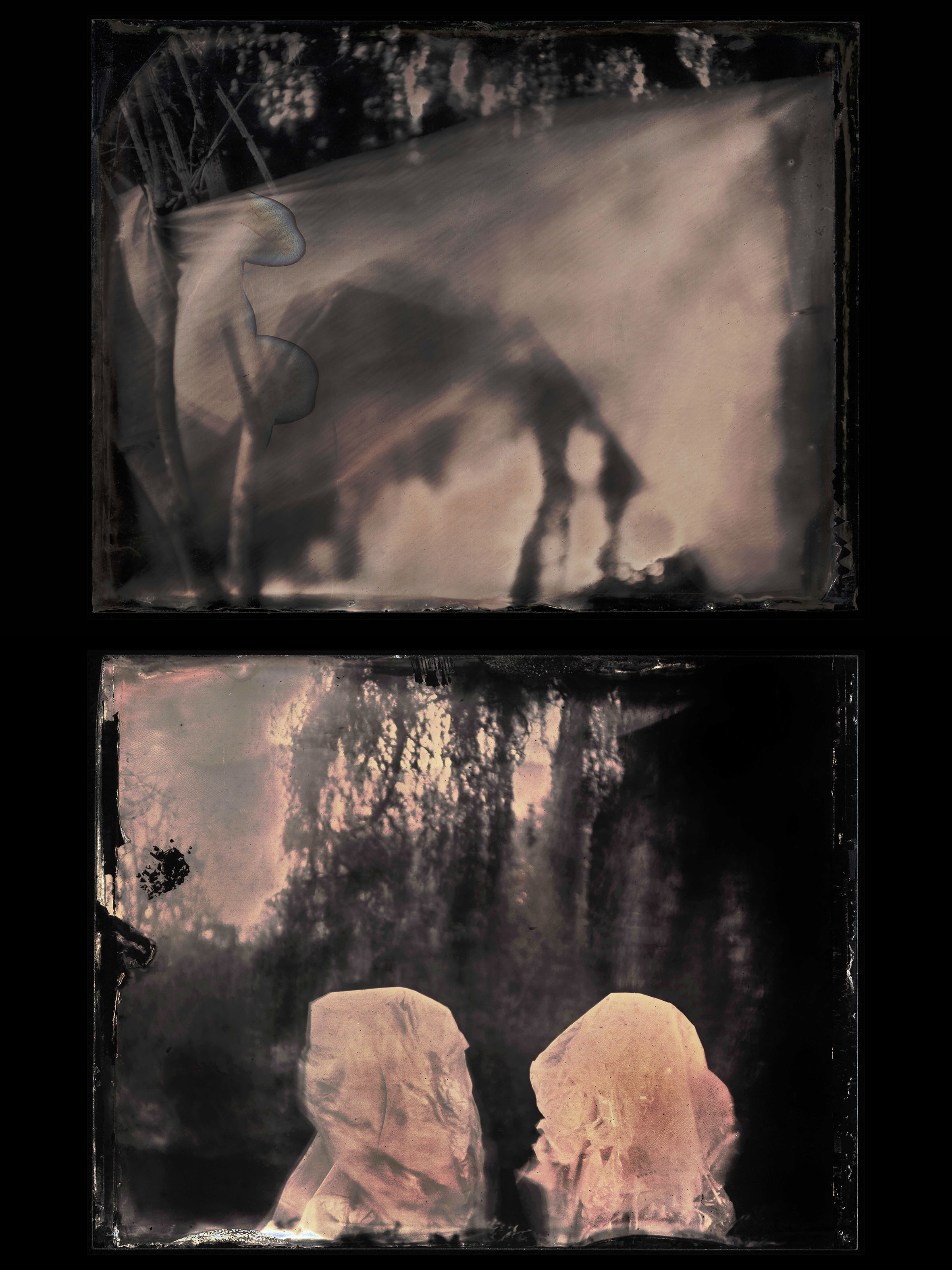
‘Clearing’ Largescale Diptych 2 (2021-23). C-Type prints of Wet Plate Collodion Ambrotypes (plate glass positives). © Wendy I Hardie
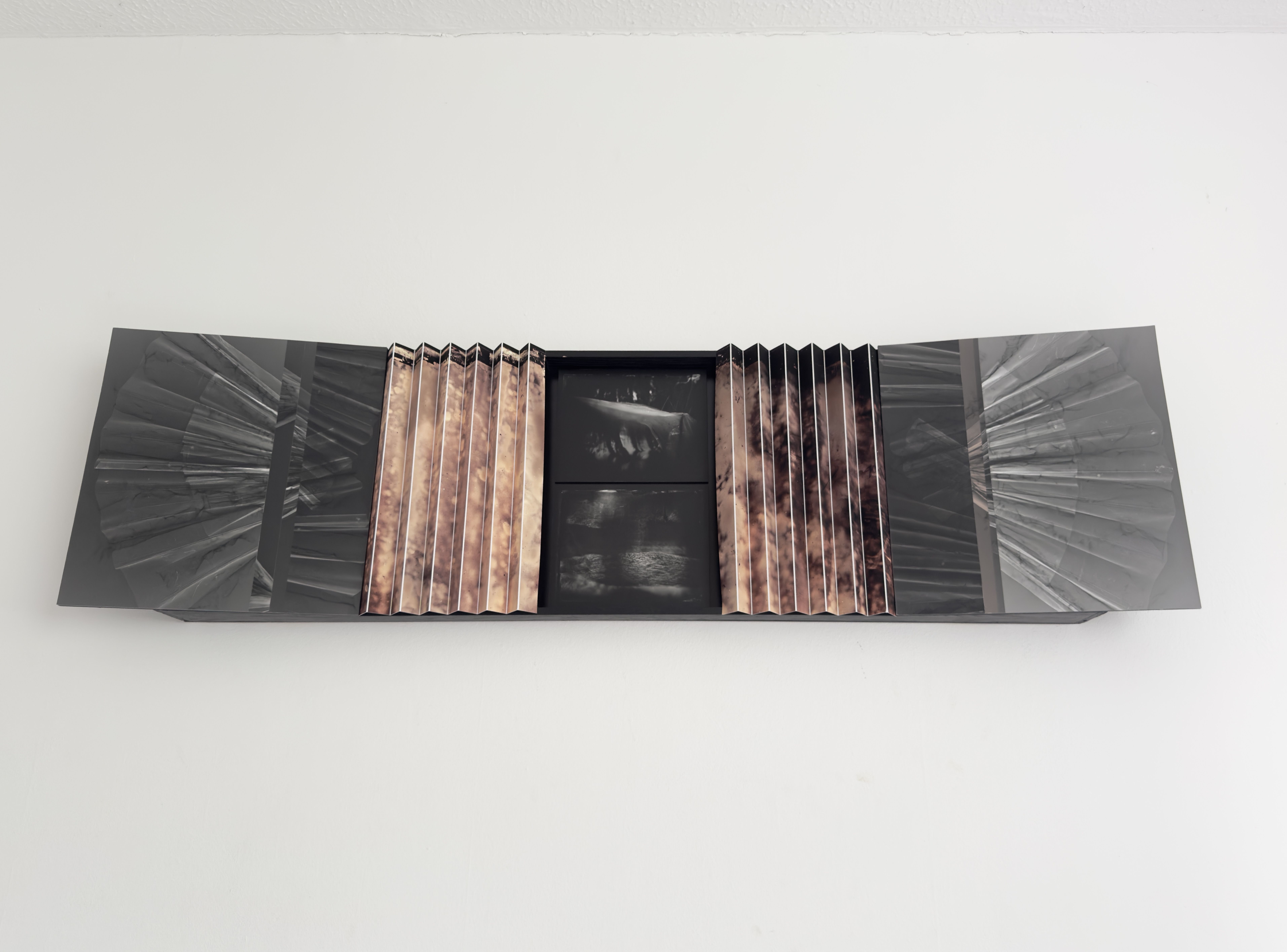
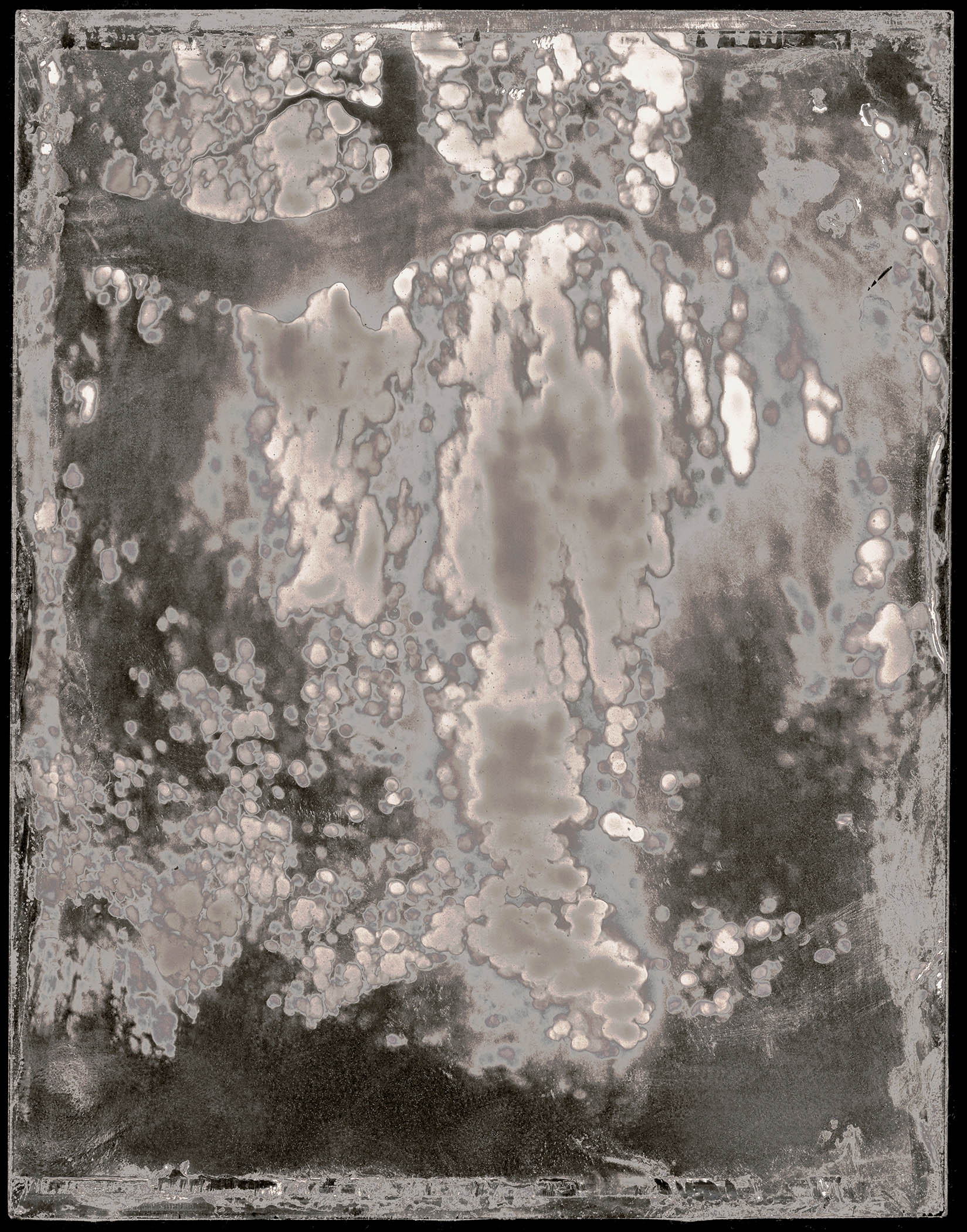
‘porous light’ No.1, 2022 © Wendy I Hardie
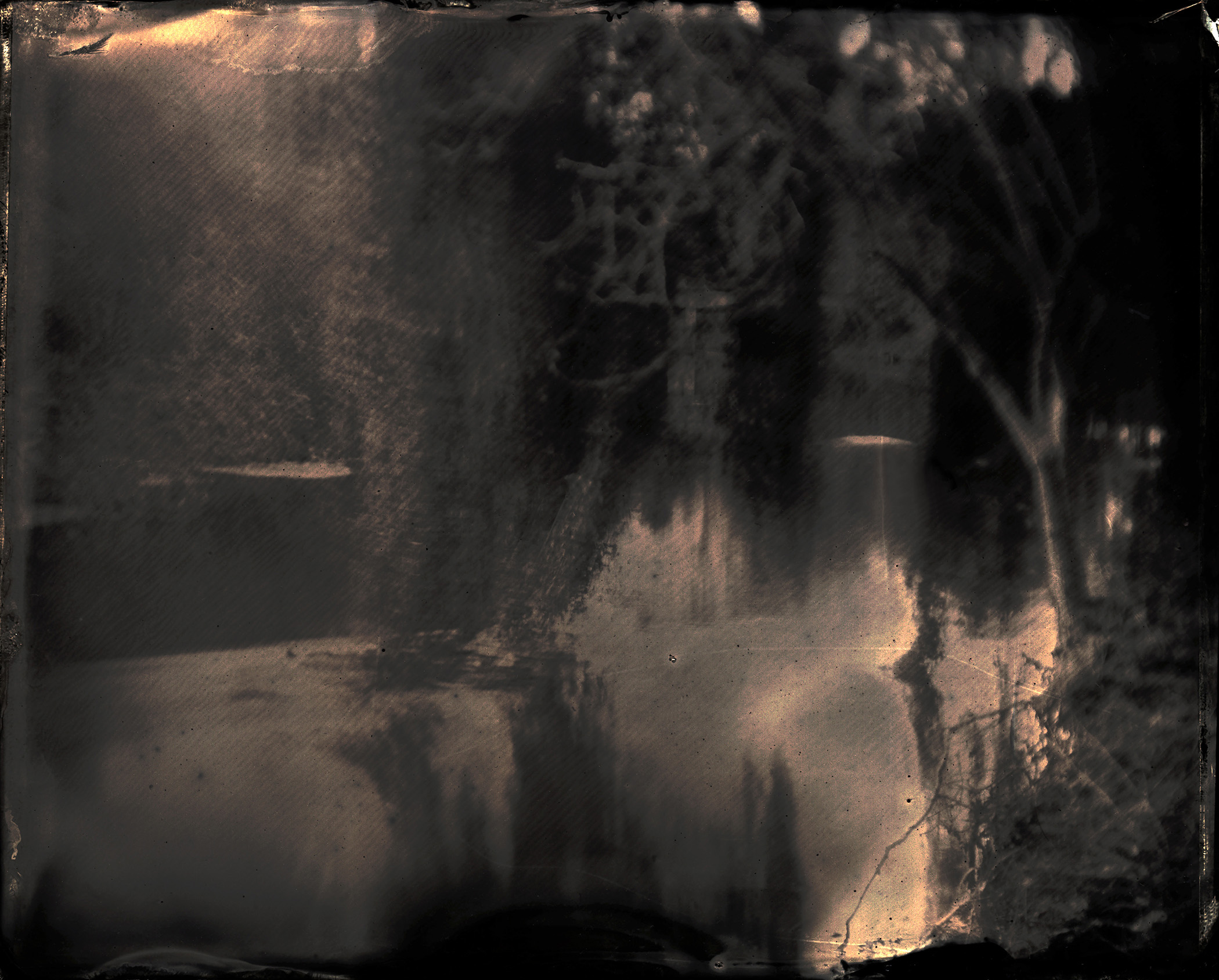
‘willow elegy’ 2021-22 © Wendy I Hardie
These works are all available to purchase as limited edition prints in various sizes, from small very affordable sizes to much larger, depending on the image and type of print. Some are digital pigment & c-type prints others are silver gelatin hand printed by the artist. If you would like to find out more info on the prints available from this ongoing series please get in touch with Wendy via direct message at https://www.instagram.com/wendyihardieartist
 Wendy Hardie Artist - Selected Works