‘Fruit Machine’

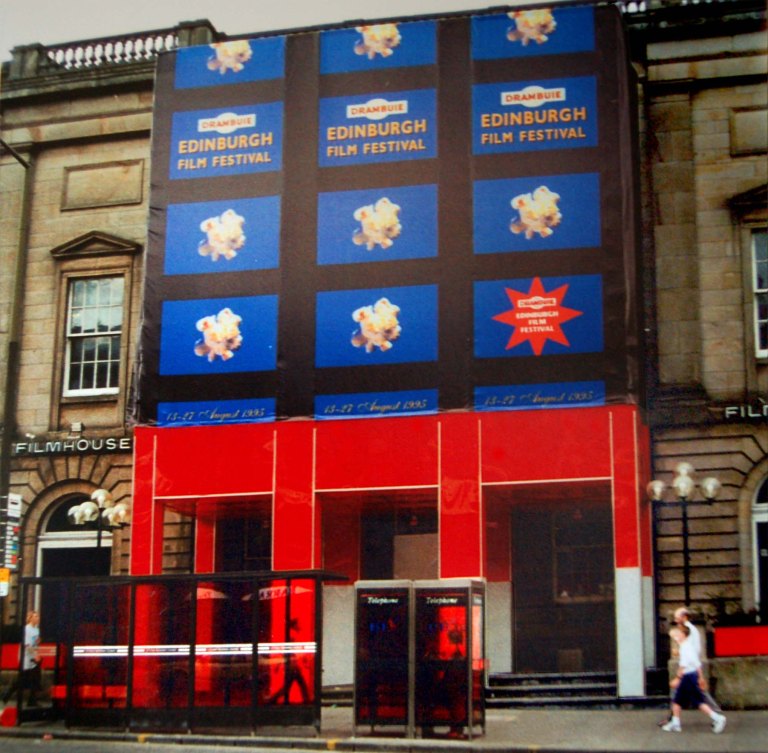
Temporary 3 week Installation for the 1995 Edinburgh International Film Festival ‘Fruit Machine’. © Wendy I Hardie
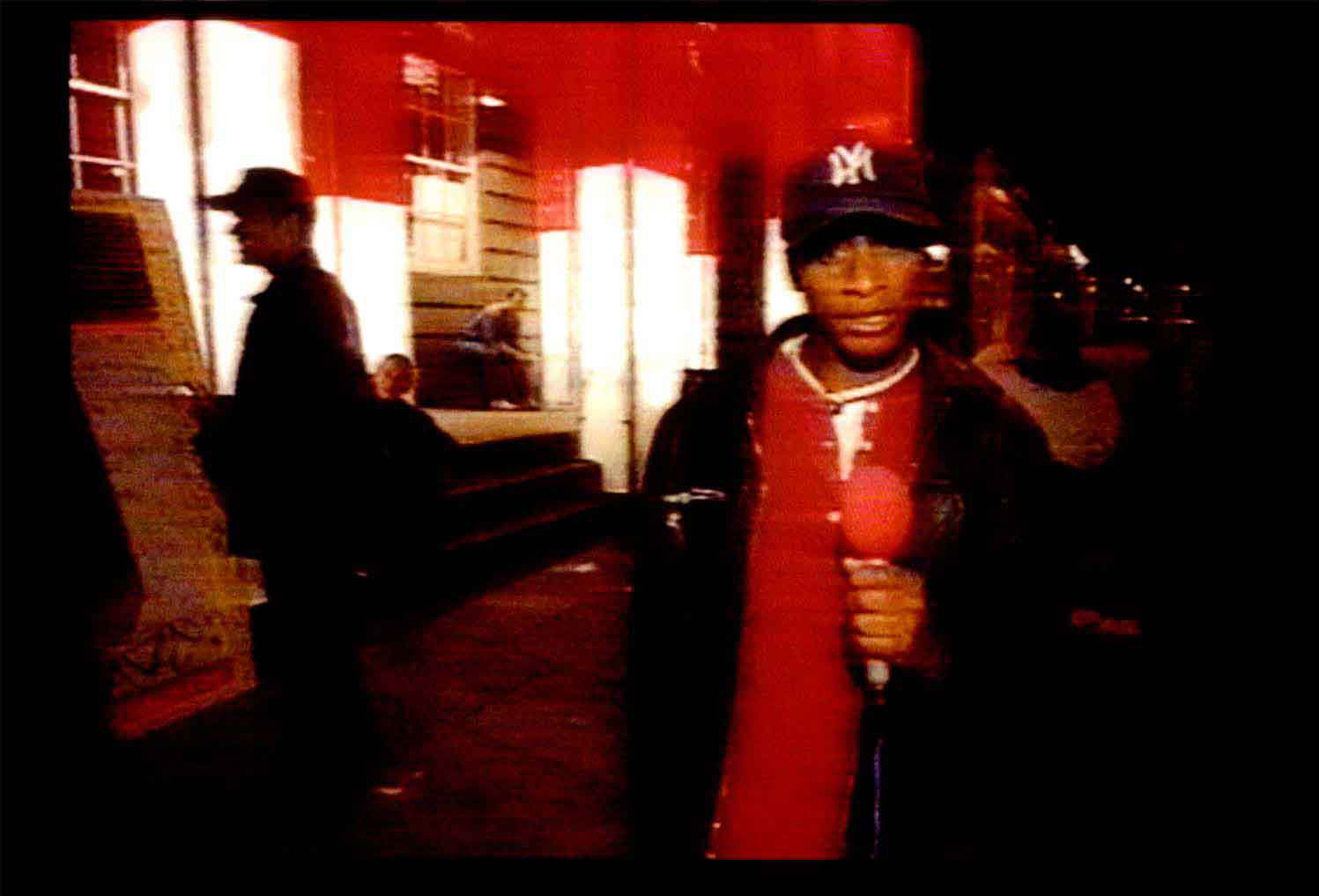
This installation was the first of it’s kind for the EIFF festival and possibly for any of the festivals at that time. It was conceived and designed in entirety by the artist with the support of the Director, and working with the 1995 festival marketing, red being the dominant colour and the visual photography of a popcorn. During the day it appeared solid and static, at night the structure became performative and translucent with sequenced lighting, the popcorn units lighting in horizontal single, double and triple sequences. The supporting colonnade, clad in translucent acrylic sheets, was internally lit to create a glowing, immersive entrance to the Film Festival’s main host building, The Filmhouse in Edinburgh’s city centre. The bus stops and phone boxes in front of the building were lined with transparent red vinyl, spreading the film festival exuberance, guerilla style, out into the street.
2 weeks August 1995.

…..
‘Glass Cruciform, 1947’

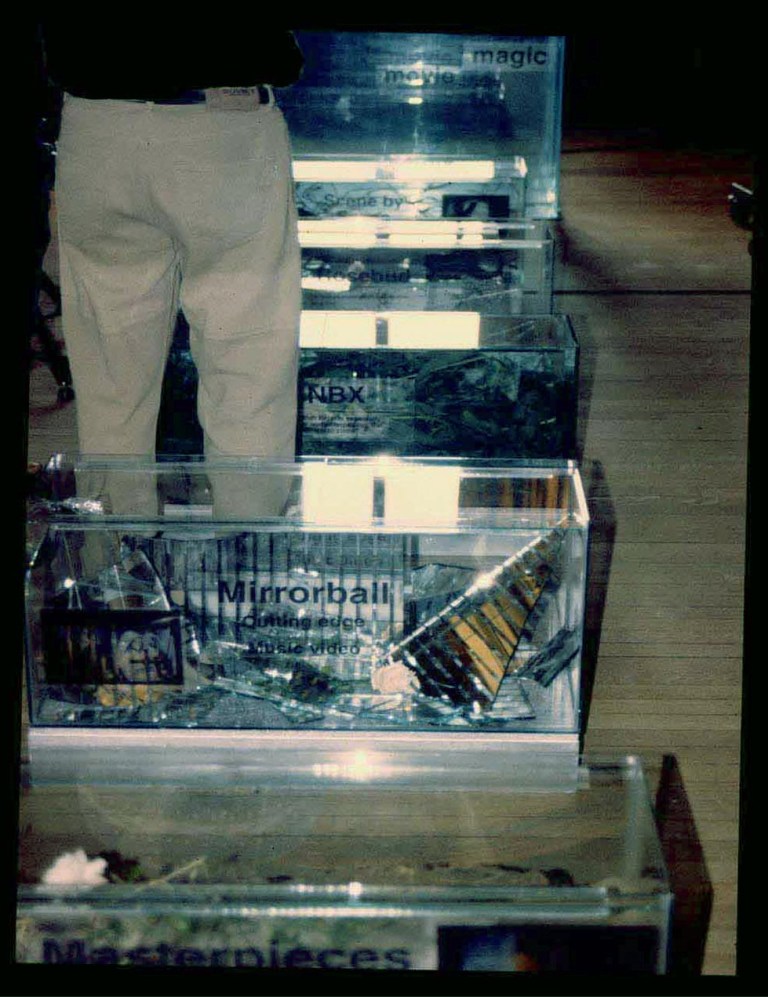
‘Glass Cruciform, 1947’ (Glass Tanks, Rubble, Dirt, Earth, Shattered Glass, Shattered Mirror, Weeds, Printed Acetate). © Wendy I Hardie
Installation for the then Festival Director Mark Cousin’s Press Launch of the 50th anniversary EIFF ’95 held within the City Chambers on the Royal Mile. This large multiple glass tank installation by the artist, dominating the central axis of the Chambers room, responded directly to the EIFF Retrospective’s subject of 1947 and most specifically to the subject of ‘Rubble Film’ and ‘Film Noir’ and their film releases that year, the inaugural year of the Edinburgh Film Festival which is the longest running film festival in the world. These films responded to the aftermath of WW2, the ‘Rubble Films’ so named because they were quite literally shot within the rubble of bombed out European cities, making no pretense whatsoever of a civilised and ordered world. The Film Noir genre was consumed with the psychologically fractured state of its characters, expressing this through the films’ narratives, set structures, lighting and cinematography.
………….
CInema Paradiso.

‘Cinema Paradiso’ design visual and event design by Wendy Hardie Artist.
‘Cinema Paradiso’ was an atmospherically charged, immersive, experimental 3 night pop up cinematic and son et lumiere event held during the Edinburgh Festival in August 1995. It was created to celebrate 100 years of cinema and was sited on the Royal Mile within the neo- classical courtyard of the City Chambers.
Restored versions of ‘Carmen’ (the original silent film of 1918 with colour tints) and ‘Black Narcissus’ (1947, by Powell and Pressburger) were projected onto a centrally suspended, custom designed and made back lit floating screen, with a classical string quartet performing live in evening dress on top of the front stone colonnade, visible to both the audience in the courtyard and the many stretching out into and passing by on The Royal Mile. The 8 arches of the colonnade framing The Royal Mile and the courtyard were lit in intense magenta pink, chosen by the artist to reinforce the heightened emotional thresholds the event induced and to draw people in. Drinks were served at full length white linen clad tables within the courtyard, under the night light the fabric was deliberately designed to capture the choreographed projected abstract woodland tree foliage moving across the side building facades and the light of the cinematography ahead and it’s silver aqua rear illuminated floating screen book ending each film and their intervals.
The courtyard is highly visible and prominent within The Royal Mile, positioned directly across from St. Giles Cathedral at the head of The Mound. The son et lumiere therefore became both intimate and expansive, and at times electrifying in it’s haunting atmosphere, both in response to the layered and substantive medieval history of the extended site and that of the subject of the films, chosen by then director of the Edinburgh International Film Festival, Mark Cousins.
Visual archival footage of the event was very sadly accidentally lost by the festival, this image by the artist, a pre-cursor to the event remains. The idea for the event and the choice of films themselves was by festival director Mark Cousins, the choice of location, design and creative choreography of the event was by the artist. The event was produced by the artist with assistant festival producer Tracey Fearnehough.
This 3 night poetically immersive, pioneering event, although short in duration, was a huge critical success and seen as a stand out event across all the festivals that year.

